How Tours Enhance Solo Travel: Social, Safety, and Fun
Solo travel has a reputation for being the ultimate expression of independence, but that story is only half true. Most people picture the lone wanderer, map in hand, figuring everything out alone. The reality 77% of solo travelers join group day tours specifically for social interaction. That single fact flips the conventional wisdom on its head. Tours are not a compromise for solo travelers. They are a strategic tool that boosts safety, creates friendships, and opens doors to experiences you simply cannot access alone. This article breaks down exactly how and when tours make solo travel richer, not less free.
Table of Contents
- Why solo travelers consider tours: The social connection factor
- Balancing structure with freedom: Small group tours vs. full independence
- Tours solve real concerns: Safety, cost, and access for solo travelers
- Who should (and shouldn’t) choose tours while traveling solo?
- Our take: Why tours are a solo traveler’s secret advantage, not a crutch
- Start your solo adventure with the best tour options
- Frequently asked questions
Key Takeaways
| Point | Details |
|---|---|
| Tours build connection | Group tours help solo travelers easily make friends and enhance social interaction. |
| Independence is possible | Small group tours let you balance structure with personal freedom on your trip. |
| Tours increase safety | Guided tours reduce safety risks and support access to remote or complex destinations. |
| Strategic tour use | Smart solo travelers use tours for social, safety, and cost benefits—when and where it matters most. |
Why solo travelers consider tours The social connection factor
Traveling alone is exciting. You set your own pace, follow your instincts, and answer to nobody. But somewhere between day two and day four in a foreign city, many solo travelers hit a wall. The excitement stays, but the silence gets loud. Eating alone at a restaurant, walking through a stunning museum with no one to turn to, or laughing at something funny with no one nearby to share it with. These are real emotional moments that independent travel does not automatically solve.
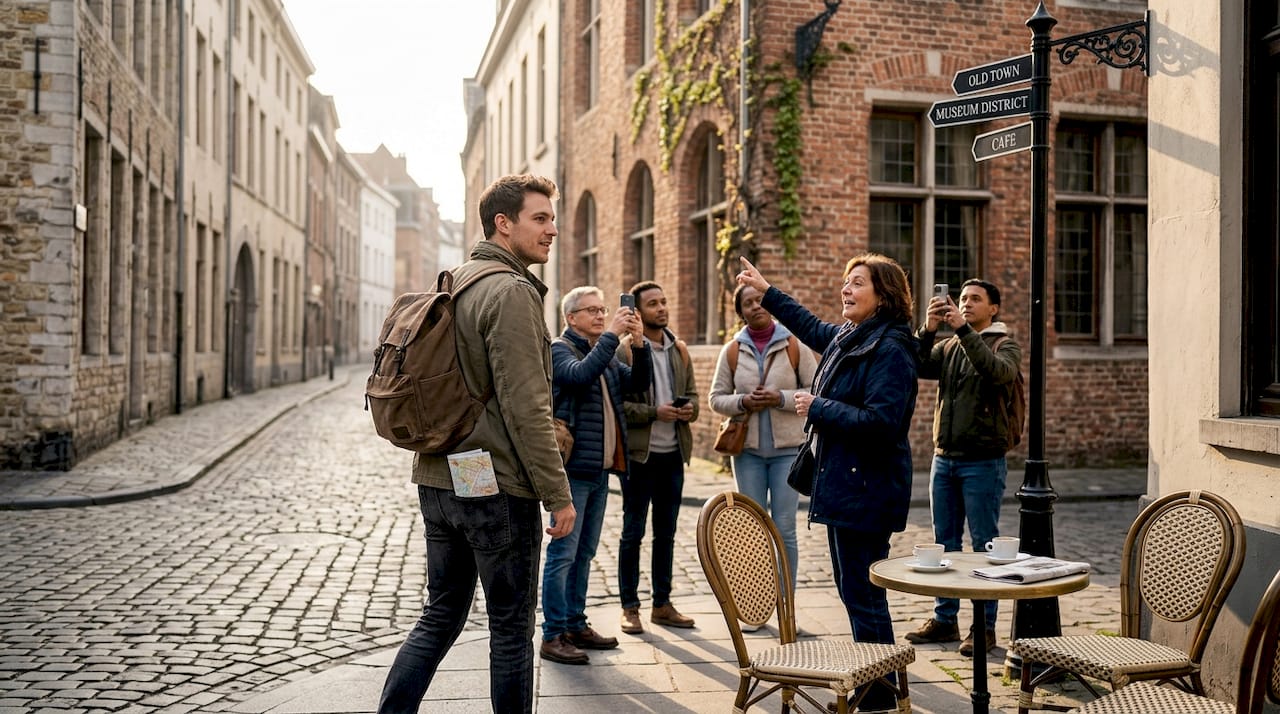
This is where guided tours quietly step in and change everything. A tour is not just a logistics solution. It is a ready-made social environment. You show up, and the group dynamic does the rest. Conversations start naturally because everyone shares the same curiosity about the destination. Friendships form faster in shared experiences than in almost any other setting.
Here are common situations where tours significantly improve the solo travel experience.
- Language barrier: Tours with local guides handle communication, translating nuances and cultural context that Google Translate simply misses.
- Shy travelers: Group settings lower the pressure of initiating conversation. Everyone is there to engage, so the social entry point is much lower.
- Wanting local insight: Guides share stories, hidden spots, and cultural knowledge that no travel blog fully captures.
- First-time solo travelers: A tour provides structure and safety while still allowing personal exploration time.
- Specific interests: Food tours, photography walks, and history tours attract like-minded people instantly, making connection feel effortless.
“77% of solo travelers join group day tours specifically for social interaction.” That is not a small minority. That is the majority choosing connection over pure independence.
If you want proof that this is a widespread experience, browse real solo travel stories from travelers who used tours to transform their trips. The pattern repeats: people go solo, discover tours, and leave with unexpected friendships and richer memories. The social case for tours is not theoretical. It is the lived reality for most solo adventurers.
Balancing structure with freedom: Small group tours vs. full independence
Once you see the value in social connection, the next question becomes practical. How much structure do you actually want? Not all tours are built the same, and the size of a group changes everything about the experience.
Here is a straightforward comparison to help you think it through:
| Travel style | Benefits | Drawbacks |
|---|---|---|
| Full solo travel | Maximum freedom, deep immersion | Potential isolation, higher risk in unfamiliar areas |
| Small group tours (6 to 12 people) | Social connection, flexibility, personal attention from guides | Slight schedule constraints |
| Large group tours (20 or more) | Cost-effective, comprehensive itineraries | Less personal, harder to connect meaningfully |
Small group tours hit a genuinely sweet spot. Small group tours balance companionship and independence better than large groups or full solo travel. The group is intimate enough to build real connections but structured enough to eliminate the logistical stress of planning every detail alone.
When deciding which tour style fits your trip, consider these factors:
- Your destination familiarity: First visit to Tokyo? A small group tour handles navigation while you absorb the experience.
- Your social energy level: Introverted travelers often thrive in small groups rather than going fully solo or joining a crowd of thirty strangers.
- The activity type: Adventure activities like hiking or kayaking are safer and more fun with a group. City walking tours can work at any size.
- Your budget: Group tours spread costs for guides, entry fees, and transport, often making premium experiences more affordable.
- How much free time you need: Look for flexible tour options that build in personal exploration windows.
Pro Tip: Book a tour for the first one or two days of a new destination. It orients you fast, gives you instant travel companions, and still leaves the rest of your trip wide open for independent exploration.
Remember, 54% of solo travelers cite flexibility and independence as their top priority. Choosing the right group size lets you honor that priority without sacrificing connection.
Tours solve real concerns Safety cost and access for solo travelers
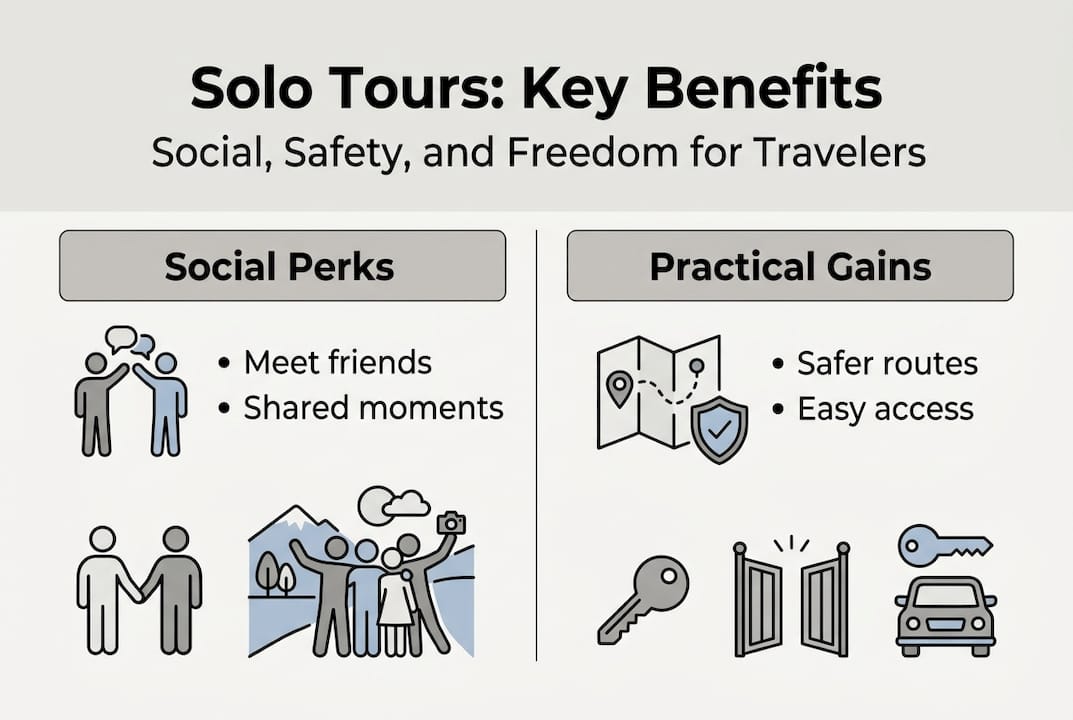
Beyond the social benefits, tours solve some very practical problems. Solo travel has grown dramatically, with a 112% increase between 2019 and 2023. But that growth has not erased the challenges. Safety remains the number one concern, cited by 69% of solo travelers.
Here is how those challenges look in real numbers:
| Solo travel concern | Percentage citing it | How tours help |
|---|---|---|
| Safety in unfamiliar places | 69% | Guides provide local knowledge and group accountability |
| Getting lost or confused | 58% | Structured routes and expert navigation |
| Missing hidden gems | 51% | Local guides unlock access most tourists never find |
| High cost for single travelers | 47% | Shared costs reduce per-person spend significantly |
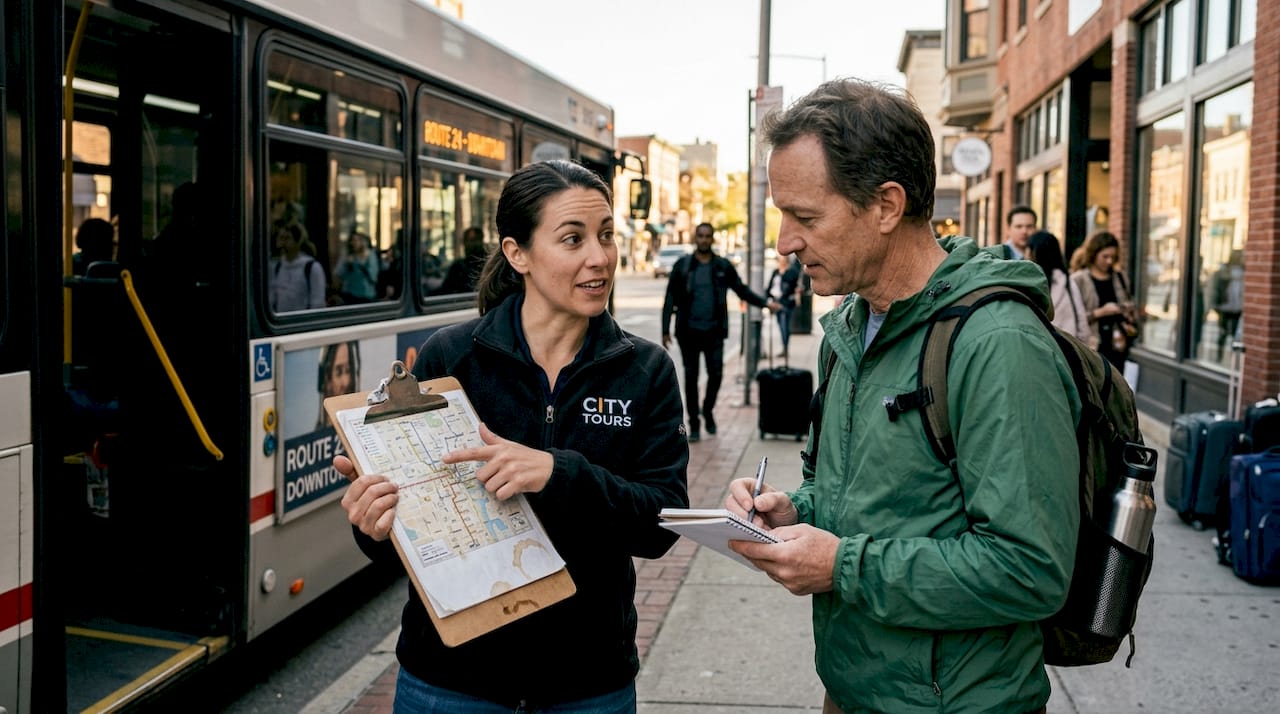
These are not small worries. They are the actual barriers keeping people from booking solo trips or from fully enjoying them once they arrive. Tours remove those barriers in very concrete ways:
- Night tours in unfamiliar cities: Walking alone after dark in an unfamiliar city carries real risk. Joining a guided night tour of a neighborhood means you experience the atmosphere without the vulnerability.
- Hard-to-reach destinations: Some of the world’s best experiences require transport, permits, or local contacts. A tour handles all of it. Check out what is possible with Berlin group tours or explore Dallas tour insights for inspiration.
- Shared costs: A private boat tour, a multi-course food experience, or a specialized guide becomes affordable when the cost splits across eight people instead of landing entirely on you.
The math and the safety case are both clear. Tours are not a luxury add-on. For solo travelers navigating unfamiliar territory, they are often the smartest move available.
Who should (and shouldn’t) choose tours while traveling solo
Tours are not the right call every time. Knowing when they add value and when they get in your way is what separates a good trip from a great one.
Here is a practical breakdown.
Solo travelers who benefit most from tours.
- First-time travelers in a new region: The orientation alone is worth it. You learn the city’s layout, rhythm, and etiquette fast.
- Travelers visiting culturally complex destinations: Places where customs, religious sites, or political history require expert context.
- Anyone visiting a destination with a language they do not speak: A guide is not just helpful, it is often essential for real access.
- Travelers who want to meet people without the pressure of bar or hostel socializing: Tours offer a natural, activity-based alternative.
Situations where solo navigation makes more sense:
- Destinations you know well: If you have visited Paris solo tours territory before, you may prefer wandering freely to revisit favorite spots.
- When you want total schedule control: Some days, you just need to sit in a café for three hours and follow no plan.
- Highly experienced solo travelers: Experienced solo travelers often prefer independent travel for deeper immersion and flexibility, using tours selectively for challenging destinations.
Pro Tip: Do not think of tours as all-or-nothing. Use them surgically. Book a caving tour in Bali, then spend the rest of the week wandering on your own terms. If the spirit of adventure on your terms resonates with you, that hybrid approach is usually the winning formula.
Personality matters enormously here. An extrovert may want tours every other day. An introvert might book one tour and use it as a social anchor for the whole trip. Both approaches are completely valid.
Our take Why tours are a solo traveler’s secret advantage, not a crutch
There is a persistent myth that joining a tour while traveling solo is somehow a compromise, a sign that you could not hack it alone. We think that framing is completely backward.
The most seasoned solo travelers we have seen are not the ones who refused every tour out of principle. They are the ones who used tours strategically. A well-chosen tour gives you inside access, instant companions, and a safety net all at once. It is not a shortcut around adventure. It is actually a way to access more of it.
Think about it this way a chef does not avoid knives because they want to feel the food. They use the right tool at the right moment. Tours are a tool. The unique solo travel experiences that stick with people the longest are almost never fully solo or fully group. They are a mix, shaped by what the destination demands and what the traveler needs that day.
The real question is never “tour or no tour?” It is “what will make this moment richer?” Sometimes that is a small group tour at dawn on a volcano. Sometimes it is a quiet afternoon with no plan at all. Both are solo travel. Both are valid. Use them both.
Start your solo adventure with the best tour options
You now have a clear picture of how tours can sharpen your solo travel experience. The next move is finding the right one.
At TravelVibeFly, we make it easy to compare, plan, and book tours tailored to solo travelers. Whether you want a structured introduction to a new city or a single guided experience to anchor a free-form trip, our destination guides walk you through the best options. Start with our Singapore tour guide or explore Berlin vacation ideas for solo-friendly itineraries packed with group tour recommendations. Everything you need, from safety tips to booking links, lives in one place at TravelVibeFly.
FAQs
Are tours safe for solo travelers?
Yes. Reputable guided tours significantly improve safety, especially in remote or unfamiliar destinations. Tours help overcome key solo travel barriers like the safety concern cited by 69% of solo travelers.
Will I lose my independence if I join group tours as a solo traveler?
No. Small group tours are designed to offer both. Small group tours balance companionship and independence better than large groups, so you can connect with others and still explore on your own schedule.
How do I choose the right tour as a solo traveler?
Prioritize group size, flexibility, and solo traveler reviews. Since 54% of solo travelers value flexibility most, look for tours that build in free time and keep groups small.
When should solo travelers avoid tours?
Skip tours when you know the destination well and want total schedule freedom. Experienced solo travelers tend to use tours selectively for challenging destinations while keeping the rest of their trip independent.