Types of travel experiences 8 styles for every explorer
Planning a trip sounds exciting until you realize just how many options exist. Leisure retreats, adrenaline-packed adventures, cultural deep dives wellness escapes the list keeps growing. For many travelers, the sheer variety of travel experiences creates a kind of decision paralysis.
You want the perfect trip but you’re not sure which style actually fits you. This guide cuts through the noise. We’ll walk you through the major types of travel experiences, show you how they compare side by side, and give you a simple framework for picking the one that matches what you truly want from your next journey.
Table of Contents
- How to define and choose your ideal travel experience
- Leisure, adventure, and cultural travel: Core styles explained
- Emerging and niche travel experiences you need to know
- Comparing travel experiences: What suits your style?
- From mass tourism to experience-first: Travel’s next chapter
- Our perspective: Why mixing travel types creates the most memorable journeys
- Ready to explore? TravelVibeFly can help you plan your next trip
- Frequently asked questions
Key Takeaways
| Point | Details |
|---|---|
| Travel experience spectrum | There are many travel types, from leisure and adventure to eco, wellness, and culinary experiences. |
| Choose by purpose | Start by identifying your trip motivation, then select the type that best aligns with your goals. |
| Hybrid journeys | You can mix different travel styles—like adventure and culture—for a more memorable trip. |
| Experience-first travel trend | Today’s travelers focus on immersive, meaningful experiences over traditional sightseeing. |
How to define and choose your ideal travel experience
Choosing a travel experience gets easier once you understand what’s actually on the table. Types of tourism span a wide spectrum, from leisure and relaxation to adventure, cultural heritage, business, eco/sustainable, wellness, culinary, educational, and roots or genealogy travel. Each category has its own rhythm, its own audience, and its own kind of reward.
Here’s a quick snapshot of the main types:
- Leisure/relaxation: Beach resorts, all-inclusive packages, spa retreats
- Adventure/thrill-seeking: Hiking, rock climbing, safaris, white-water rafting
- Cultural/heritage: Museum visits, UNESCO World Heritage sites, local festivals
- Business/MICE: Conferences, incentive trips, corporate retreats
- Eco/sustainable: Low-impact travel, wildlife conservation, responsible tourism
- Wellness/medical: Yoga retreats, detox programs, medical tourism
- Culinary: Food tours, cooking classes, wine tasting
- Educational: Language immersion, historical study tours, volunteer programs
- Roots/genealogy: Ancestral village visits, heritage trail tours
The smartest way to choose is to ask one question first: What do I actually want to feel or achieve on this trip? Relaxation? A sense of accomplishment? Cultural understanding? Once you answer that, the right type almost picks itself. Keep in mind that changing travel trends are blurring the lines between these categories, making hybrid trips more common and more rewarding than ever.
Also, check out travel trends insights to see how today’s travelers are mixing and matching these styles in creative ways.
Pro Tip: Start with what you want out of the trip, not just the destination. A beach in Thailand can be a leisure trip, a wellness retreat, or a culinary adventure depending on how you approach it.
Leisure, adventure, and cultural travel: Core styles explained
Three travel types consistently dominate global demand. Understanding what makes each one tick helps you recognize which one speaks to you.
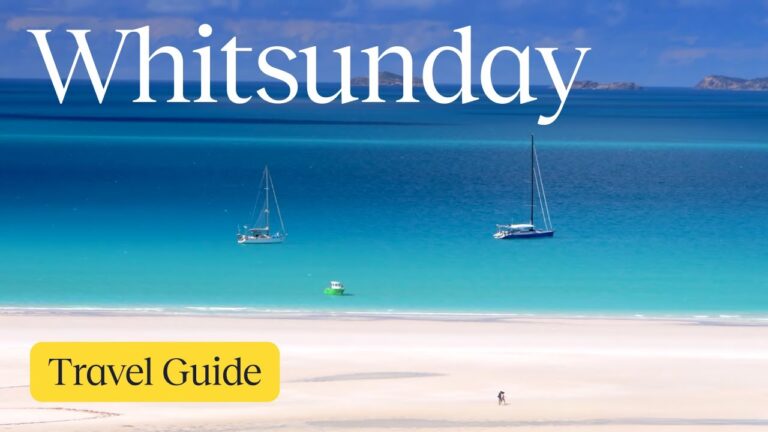
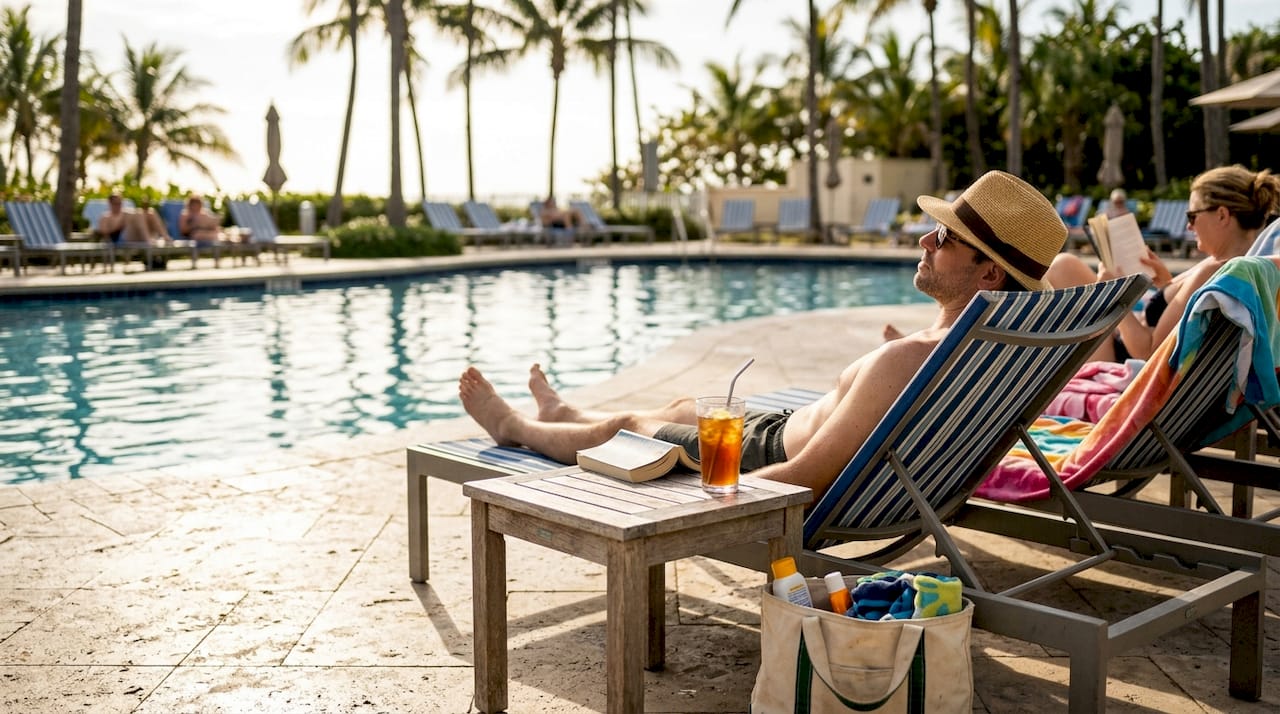
Leisure travel is the most familiar. Think beach resorts, all-inclusive cruises, and lazy afternoons by the pool. It’s defined by rest and personal enjoyment, with minimal obligations. Families, couples, and solo travelers who need to recharge all gravitate here. Popular destinations include the Caribbean, the Mediterranean, and Southeast Asian islands.
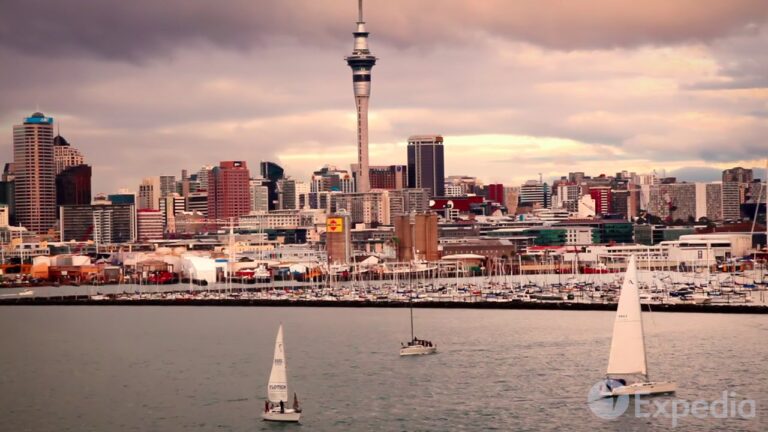
Adventure travel is for those who want their heart rate elevated. Hiking remote trails, climbing peaks, going on safari, or surfing big waves all fall under this umbrella. Notably, adventure travel holds a 32% share of the experiential travel market, making it the single largest segment. It’s growing fast, driven by travelers who want stories, not just souvenirs. Great destinations include New Zealand, Nepal, and Costa Rica. You can also find incredible adventure in national parks across the United States.
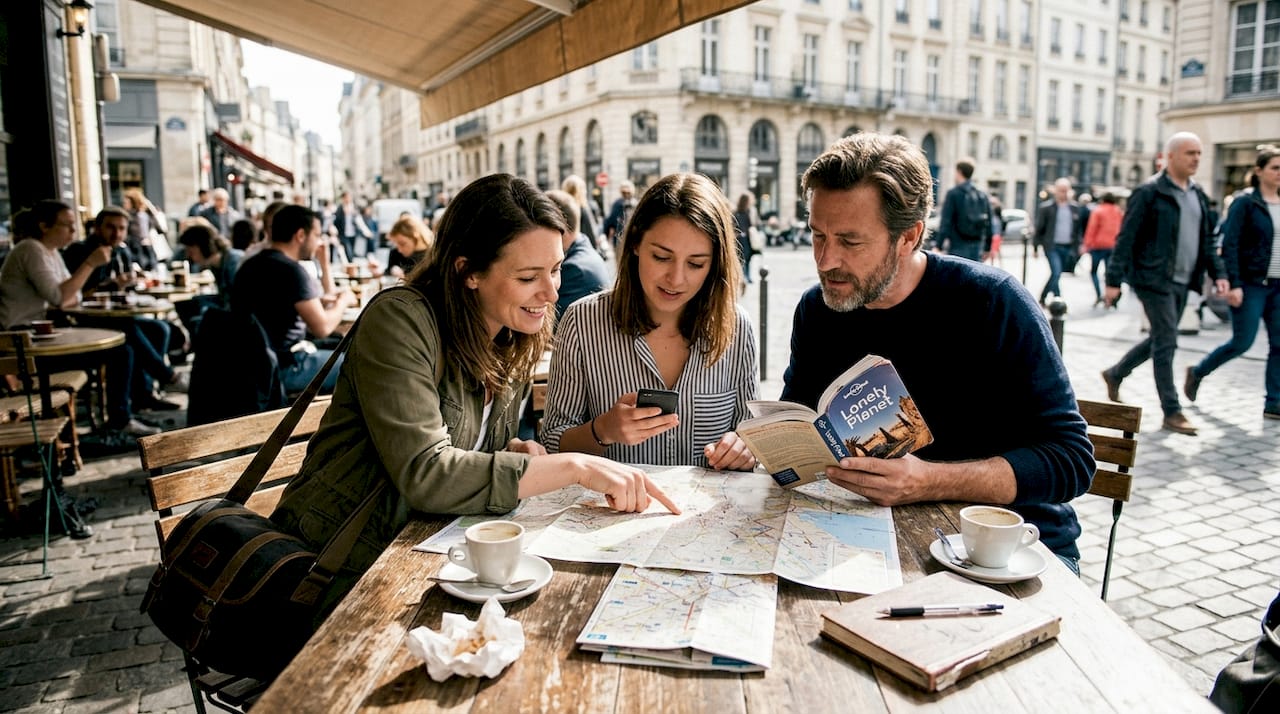
Cultural travel centers on connection and understanding. Museum tours, local food markets, UNESCO sites, language learning, and traditional festivals all define this style. It attracts lifelong learners, history buffs, and travelers who want to return home knowing more than when they left. Cities like Kyoto, Cairo, and cultural travel in Berlin consistently rank among the top cultural destinations globally.
Here’s who each type suits best:
- Leisure: Families, couples, retirees, anyone needing genuine rest
- Adventure: Solo travelers, thrill-seekers, physically active explorers
- Cultural: Students, history lovers, curious minds of all ages
According to EU travel participation stats, cultural and leisure travel remain the top motivations for European travelers, confirming that these styles have universal, enduring appeal.
Emerging and niche travel experiences you need to know
Beyond the big three, new types of travel are rapidly rising in popularity. These niche styles are attracting millions of travelers who want something more personal and purposeful.
Eco/sustainable travel focuses on minimizing environmental impact while maximizing authentic connection with nature. Think wildlife conservation volunteering, carbon-neutral lodges, and hiking in protected reserves. Destinations like the Amazon, Iceland, and eco-adventures in Patagonia are leading examples.
Wellness and medical travel has exploded in recent years. Yoga retreats in Bali, Ayurvedic programs in India, and dental or surgical tourism in Thailand are all part of this growing category. Travelers prioritize their physical and mental health as a core trip goal.
Culinary travel turns food into the main event. Cooking classes in Bologna, street food tours in Bangkok, and vineyard stays in Bordeaux all qualify. It’s less about eating and more about understanding a culture through its flavors.
Educational travel includes language immersion programs, archaeological digs, and study-abroad experiences. These trips are structured around learning something specific.
Roots and genealogy travel is deeply personal. Travelers visit ancestral villages, trace family histories, and connect with distant relatives in places their grandparents once called home.
Growth in sustainable and wellness travel is driven largely by younger generations who want meaning alongside their miles. The tourism development benchmarks from the World Economic Forum confirm that immersive, purpose-driven travel is no longer niche it’s mainstream.
Pro Tip: Combine multiple niches for a custom experience. A wellness trip that includes local cooking lessons and a guided nature walk hits three categories at once and tends to be far more memorable.
Comparing travel experiences: What suits your style
To help you decide, here’s how the main travel experiences stack up side by side.
| Travel type | Main purpose | Key activities | Best for | Top destinations |
|---|---|---|---|---|
| Leisure | Rest and enjoyment | Beach, cruises, spa | Families, couples | Maldives, Caribbean |
| Adventure | Thrill and challenge | Hiking, safaris, climbing | Solo travelers, active explorers | Nepal, New Zealand |
| Cultural | Learning and connection | Museums, festivals, local food | History lovers, students | Berlin, Kyoto, Cairo |
| Eco/sustainable | Environmental responsibility | Conservation, nature hikes | Eco-conscious travelers | Patagonia, Iceland |
| Wellness | Health and restoration | Yoga, detox, medical care | Burnout travelers, health-focused | Bali, India, Thailand |
| Culinary | Food and culture | Cooking classes, food tours | Food lovers, culture seekers | Italy, Japan, Mexico |
| Educational | Skill and knowledge | Language study, digs, volunteering | Students, lifelong learners | Spain, Greece, Peru |
| Roots/genealogy | Heritage and identity | Ancestral visits, family history | Diaspora travelers, family groups | Ireland, Poland, Ghana |
As category overlaps show, real-world trips rarely fit neatly into one box. Most travelers blend elements from several types without even realizing it.
Here’s a simple numbered framework for matching your priorities to a travel type:
- Identify your primary goal: Rest, thrill, learning, health, or heritage?
- Consider your travel companions: Solo, couple, family, or group?
- Set your energy level: Do you want to be active, passive, or somewhere in between?
- Think about your budget: Some types (wellness, culinary) can scale up quickly.
- Ask what you want to remember: A feeling, a skill, a story, or a connection?
For urban experiences in Dallas or any major city, you’ll often find that leisure, cultural, and culinary experiences overlap naturally in a single destination. There’s no wrong answer here. The best travel type is simply the one that fits who you are right now.
From mass tourism to experience-first Travel’s next chapter
Understanding these categories is just the start. Here’s how the world of travel is evolving.
For decades, travel was destination-driven. People asked, “Where should I go?” Now, the question has shifted to “What do I want to experience?” That single change in framing has transformed the entire industry. Itineraries are being built around feelings and personal growth rather than checklists of famous sights.
“The experiential travel market is projected to nearly double from 2025 to 2034, reflecting a fundamental shift in how people define the value of a trip.” — Experiential Travel Market Report
This shift is being driven by travelers who want immersion, not observation. They want to cook the local dish, not just eat it. They want to hike the trail, not just photograph it from the road. Industry data from tourism benchmarks confirms that countries investing in experiential infrastructure are seeing the strongest tourism growth.
Flexibility is now a core feature of modern travel planning. Travelers are mixing categories, shortening trips, and booking experiences closer to their travel dates. The rigid “two-week package tour” model is giving way to modular, mix-and-match itineraries built around personal priorities.
If you’re planning your next trip, let experience be your guide. Think about heritage travel in Jordan or any destination where the experience itself is the attraction. Start there, and the destination will follow naturally.
Our perspective Why mixing travel types creates the most memorable journeys
Here’s a take you won’t hear from most travel guides: the category system is useful for planning, but the best trips almost always break the rules.
We’ve seen it time and again. A traveler books what looks like a straightforward eco-adventure in Patagonia. They end up learning to make traditional empanadas with a local family, spending a morning at a community conservation project, and finishing the trip with a guided glacier hike. That’s eco, culinary, cultural, and adventure all wrapped into one week. Check out the Patagonia as a case study for exactly this kind of layered experience.
The travelers who report the highest satisfaction aren’t the ones who stuck rigidly to one type. They’re the ones who stayed curious and said yes to unexpected additions. Categories are starting points, not boundaries. Use them to get oriented, then let the trip evolve.
Our advice: curate your travel experience rather than just choosing one. Pick a primary style that matches your main goal, then layer in one or two complementary elements. The result is a trip that feels genuinely yours, not a template someone else designed.
Ready to explore TravelVibeFly can help you plan your next trip
When you’re ready to put these ideas into action, finding trusted inspiration is the next step.
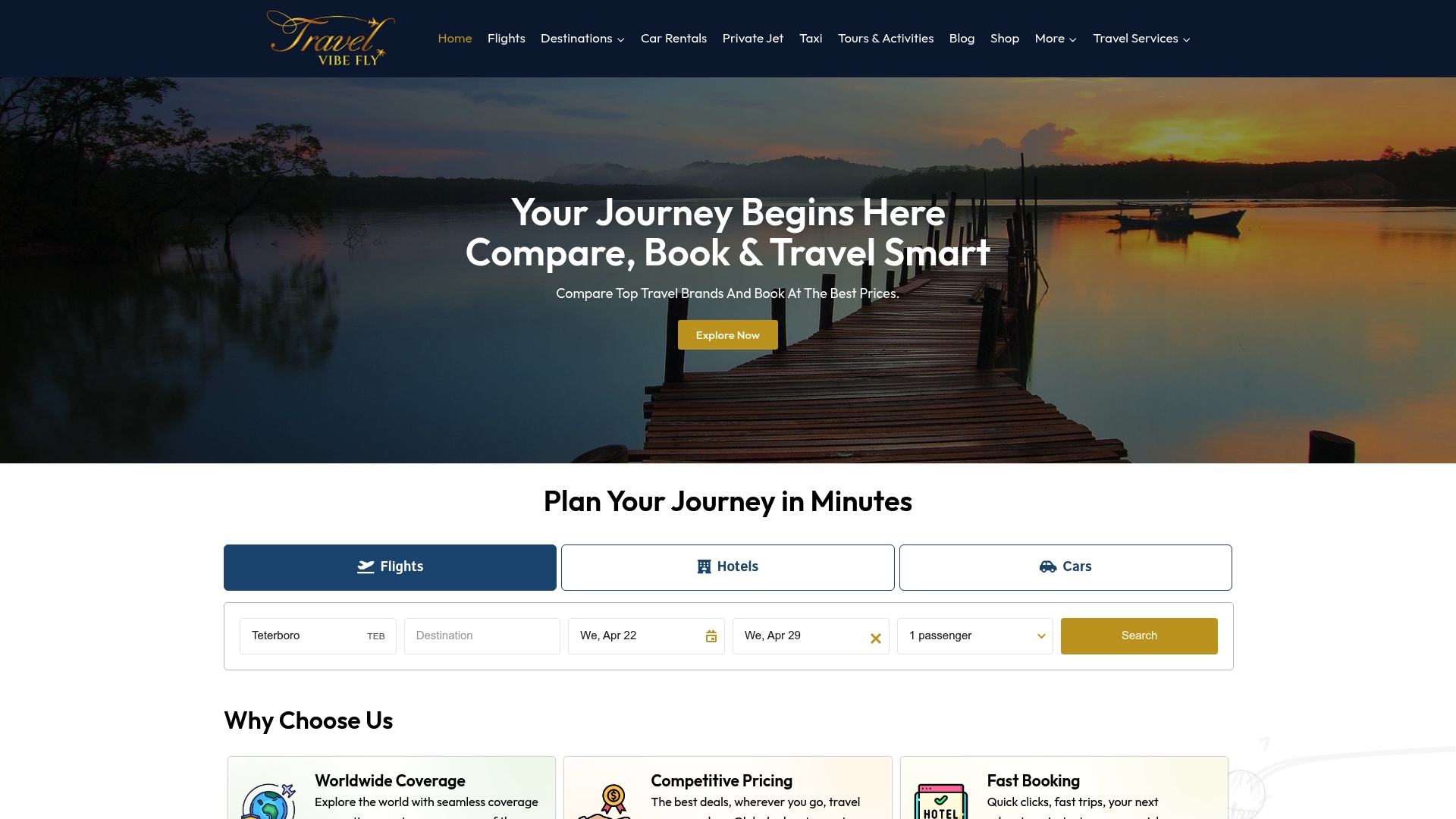
TravelVibeFly covers every travel type discussed in this guide, with destination content, curated itineraries, and booking tools that make planning feel less overwhelming and more exciting. Whether you’re drawn to the beaches of Southeast Asia or the cultural streets of Europe, the platform brings it all together in one place.
You can start by exploring guides like planning a trip to Singapore for a city that blends leisure, culinary, and cultural travel effortlessly, or browse the Las Vegas travel guide for a destination that reinvents entertainment travel. Your next great experience is one click away.
FAQs
What are the main types of travel experiences?
The main types include leisure, adventure, cultural, eco/sustainable, wellness, culinary, educational, and heritage travel. Most trips blend at least two of these styles naturally.
How do I know which travel experience is right for me?
Start with your main goal, whether that’s relaxation, excitement, cultural learning, or health, then match it to the type that fits. The Travel and Tourism Development Index confirms there’s no universal formula, so flexibility is key.
Can I combine different types of travel in one trip?
Absolutely. Category overlaps are common in real-world travel, and combining styles like adventure and cultural, or wellness and eco, typically leads to a richer, more satisfying experience.
Why are experience-first trips becoming popular?
Travelers, especially younger generations, are seeking personal growth and genuine connection. Growth in immersive travel is driven by millennials and Gen Z who prioritize meaning over sightseeing checklists.