

When is the cheapest time to book a hotel
When is the cheapest time to book a hotel is typically 2–3 weeks before check-in for domestic trips and 3–6 weeks ahead for international stays. The best day to book a hotel is usually Sunday, and the cheapest days to stay are Sunday through Thursday nights. But the real answer depends on your destination, season and flexibility here’s the full breakdown.
How Far in Advance Should You Book a Hotel
Timing your booking is the single biggest lever on price:
- Domestic trips: 2–3 weeks ahead hits the sweet spot. Book earlier and you pay the planner’s premium book later and prices climb as rooms fill.
- International trips: 4–8 weeks ahead, since overseas inventory is tighter and fares fluctuate more.
- Peak season & holidays: 2–3 months ahead. Christmas, New Year and major events sell out fast waiting never pays here.
- Last-minute (1–3 days before): occasionally works in big cities with excess inventory, but it’s a gamble, not a strategy. Business districts on weekends and resorts midweek are your best last-minute bets.
The pattern is simple: hotels raise prices as occupancy rises a practice called yield management, so the cheapest time to book is before the rush but not so early that you’re paying full rack rates.
The Cheapest Days of the Week to Book and Stay
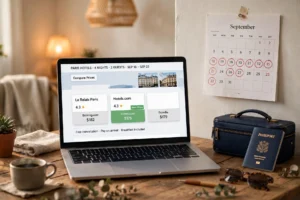
Best day to book: Sunday Multiple fare studies show prices dip on Sundays when business travelers aren’t booking, then climb through the week.
Cheapest days to stay: Sunday through Thursday nights Friday and Saturday are the most expensive nights almost everywhere because that’s when leisure demand peaks.
Flip it for business districts: downtown hotels in financial hubs are often cheapest on weekends when corporate travelers go home. And resort destinations Midweek stays (Tuesday–Thursday) regularly beat weekend rates by 20–30%.
The Cheapest Seasons and Months to Book Hotels
Season matters more than the day of the week:
- Shoulder season (April–May and September–October in most regions) delivers the best balance of good weather and low prices.
- January and February are the cheapest months in the Northern Hemisphere post-holiday demand craters.
- Avoid: summer holidays Christmas/New Year, spring break and major local events when the cheapest time to book a hotel is effectively as early as humanly possible.
If your dates are flexible shifting a trip by even one week out of peak season can cut the room rate in half.
Best Time to Book a Hotel Business vs Leisure Travel
The best time isn’t always the cheapest time:
- Business travelers prioritize location and flexible cancellation over price booking direct with the hotel often wins for loyalty points and easy changes.
- Leisure travelers should chase the lowest total price: compare across sites, consider non-refundable rates if plans are firm, and check the all-in cost with taxes and resort fees.
Either way, the rule holds: compare hotel prices before you commit. The same room on the same night can cost 20–40% more on one site than another.
How to Actually Lock the Cheapest Rate
- Compare, don’t assume. Check at least 3–4 sellers for the same room and dates. A hotel deal finder does this in one search.
- Check the all-in price. A $99 rate with a $45 resort fee is worse than a $129 all-in rate. Always compare totals.
- Weigh refundable vs non-refundable. Non-refundable rates run 10–20% cheaper worth it only if your plans are locked.
- Compare direct vs third-party. Hotels sometimes match lower third-party prices through best-rate guarantees, letting you keep loyalty perks at the comparison price. Full breakdown: hotel booking vs direct: which saves more.
- Set a price alert and re-check closer to the date if the rate drops and you booked refundable, rebook and save.
Common Mistakes That Cost You Money
- Booking the first price you see. Five minutes of comparison routinely saves 15–30%.
- Ignoring the cancellation policy. A cheap non-refundable rate becomes expensive if plans change.
- Forgetting fees and taxes. Resort fees, parking and Wi-Fi can add $50+/night.
- Booking Friday–Saturday by default. Shifting to Sunday–Thursday is the easiest discount in travel.
FAQ
What is the cheapest day to book a hotel?
Sunday is generally the cheapest day to book a hotel, as prices dip when business travel demand pauses. For the stay itself, Sunday through Thursday nights are cheapest Friday and Saturday nights carry peak leisure demand and the highest rates.
How far in advance should I book a hotel for the best price?
Book domestic hotels 2–3 weeks ahead and international hotels 4–8 weeks ahead for the best prices. For holidays and peak season, book 2–3 months early. Booking too early means paying full rates; booking too late means paying scarcity premiums.
Is it cheaper to book a hotel last minute?
Rarely. Last-minute deals exist in cities with excess inventory especially business districts on weekends but most travelers pay more, not less, when booking 1–3 days out. Treat last-minute booking as a gamble, and always compare live rates first.
Do hotel prices drop closer to the check-in date?
Sometimes, if the hotel still has many empty rooms but prices more often rise as occupancy fills. If you booked a refundable rate and the price drops later, you can cancel and rebook at the lower price, which is why flexible rates are worth comparing.
Should I book direct or use a comparison site to get the cheapest price?
Compare first, then decide. Comparison sites usually surface the lowest market price by checking many sellers at once, while direct bookings add loyalty points and easier changes. Our guide to hotel booking vs direct shows exactly when each option wins.


